• Gold: 118.00 €/g ▼ 0.01%
  • Silver: 1.72 €/g ▼ 0.02%
  • Palladium: 32.14 €/g ▼ 0.04%
  • Platinum: 46.97 €/g ▼ 0.02%
  • Rhodium: 242.77 €/g ▲ 0.01%
  • Gold: 118.00 €/g ▼ 0.01%
  • Silver: 1.72 €/g ▼ 0.02%
  • Palladium: 32.14 €/g ▼ 0.04%
  • Platinum: 46.97 €/g ▼ 0.02%
  • Rhodium: 242.77 €/g ▲ 0.01%
  • Gold: 118.00 €/g ▼ 0.01%
  • Silver: 1.72 €/g ▼ 0.02%
  • Palladium: 32.14 €/g ▼ 0.04%
  • Platinum: 46.97 €/g ▼ 0.02%
  • Rhodium: 242.77 €/g ▲ 0.01%
  • Gold: 118.00 €/g ▼ 0.01%
  • Silver: 1.72 €/g ▼ 0.02%
  • Palladium: 32.14 €/g ▼ 0.04%
  • Platinum: 46.97 €/g ▼ 0.02%
  • Rhodium: 242.77 €/g ▲ 0.01%
  • Gold: 118.00 €/g ▼ 0.01%
  • Silver: 1.72 €/g ▼ 0.02%
  • Palladium: 32.14 €/g ▼ 0.04%
  • Platinum: 46.97 €/g ▼ 0.02%
  • Rhodium: 242.77 €/g ▲ 0.01%

PRICE LIST

Platinum

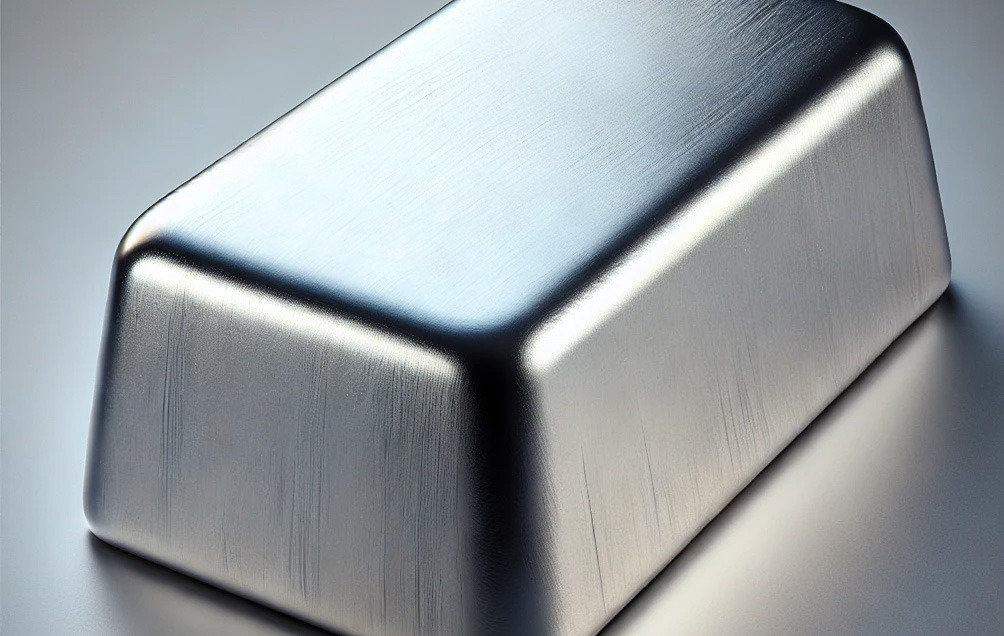
Platinum (Lat. Platinum) is an element classified as a rare metal. Its atomic number is 78 and its atomic mass is 195.08. Platinum is malleable and ductile, making it easy to stamp and roll. Its melting point is 1768 °C and its boiling point is 3825 °C. Native platinum usually contains other platinum group metals (palladium, iridium, rhodium, osmium) as well as iron, copper and nickel impurities. According to Johnson Matthey, platinum is about 20 times rarer than gold.

Electrically conductive, chemically inert and corrosion-resistant, platinum is used in a wide range of industrial applications. Significant amounts of platinum are used in automotive catalytic converters. The amount depends on the engine type: diesel vehicle catalysts may contain up to several grams of platinum, while petrol vehicle catalysts usually contain less than 1 g (US Department of Energy data). Although platinum is also used in various electronic devices, the amounts are so small that retail recovery of platinum from them is considered completely uneconomical.

Platinum and its alloys are used to make corrosion- and chemical-resistant vessels, apparatus, electrodes and electronic contacts, resistance thermometers and thermocouples, surgical instruments and spinnerets. In medicine, platinum alloys are used in dental materials and biomedical devices (e.g. pacemaker electrodes). In the glass industry, platinum-rhodium alloys are used in glass fibre and display glass production equipment because molten glass does not stick to them. Owing to its distinctive appearance and rarity, platinum is also widely used in jewellery and investment bars.

Sources:

https://periodic-table.rsc.org/element/78/platinum
https://www.hydrogen.energy.gov/pdfs/16006_pgm_light_duty_vehicles.pdf
https://matthey.com/pgm-facts
https://en.wikipedia.org/wiki/Platinum

Get more value from your scrap metal now!

Our managers will contact you to provide professional consultation.

All you need to know about buying scrap metal

Find out about latest materials purchasing prices, conditions and news.

Fill in the enquiry form and a member of our team will contact you.

The information you provide will help us to provide you with fast, professional service and to resolve any issues efficiently.

    By completing this form you consent to NOVITERA processing your personal data. The data provided is processed for information purposes. You can withdraw your consent to the processing of personal data at any time. For more information about your rights and data processing, please refer to our privacy policy.
    Contact

    Are you interested in purchasing a VANTA XRF analyzer?

    Fill out this form and our team will:

    • Get back to you in less than 24 hours.
    • Carefully analyse your needs and provide you with a customised technical solution, including price, production, and delivery conditions.

      By completing this form you consent to NOVITERA processing your personal data. The data provided is processed for information purposes. You can withdraw your consent to the processing of personal data at any time. For more information about your rights and data processing, please refer to our privacy policy.
      Contact