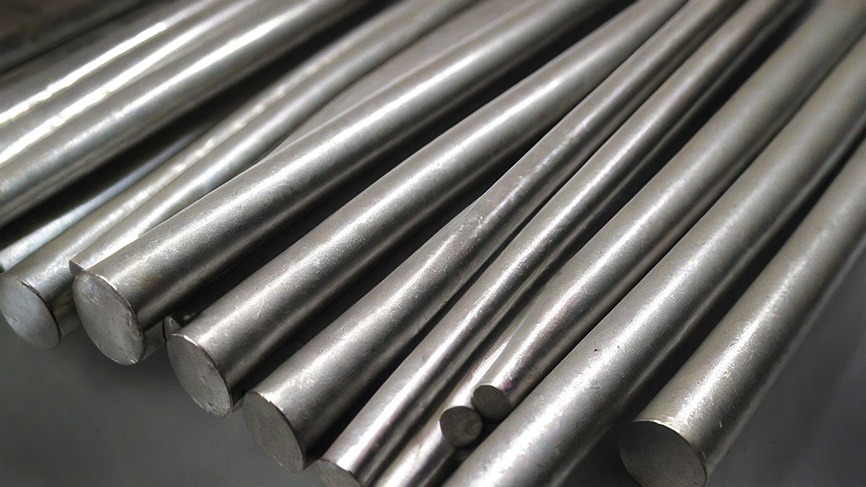
Tin (Sn) is a widely used silvery-white metal with a bluish tinge, known for its softness and ductility. Tin is very easy to cast and forge and is resistant to atmospheric effects. Tin melts at 231.93 °C and boils at 2586 °C. Ancient civilisations discovered tin and used it to make bronze. Today tin is used in bronze, babbitt (bearing metal) and pewter alloys, and in small amounts in some special brass grades. Thanks to its chemical resistance, tin is widely used together with other metals in protective and anti-corrosion coatings and in the tinning of steel sheet.
Tin is the main component of solders: tin-lead solders were widely used in the past, while today lead-free tin-silver-copper solders are most common in electronics. Solders account for almost half of the tin consumed worldwide. Tin is also often used in cutlery, decorative items and cans, especially in the food and beverage industry.
In everyday life, tin is found in older televisions, where it was used to solder connections, as well as in various decorative dishes and cutlery. Tin can also be found in soldered pipe joints of heating and cooling systems and in electrical installation components, where it ensures reliable bonding and corrosion protection.
Sources:
https://periodic-table.rsc.org/element/50/tin
https://en.wikipedia.org/wiki/Tin
https://www.britannica.com/science/tin