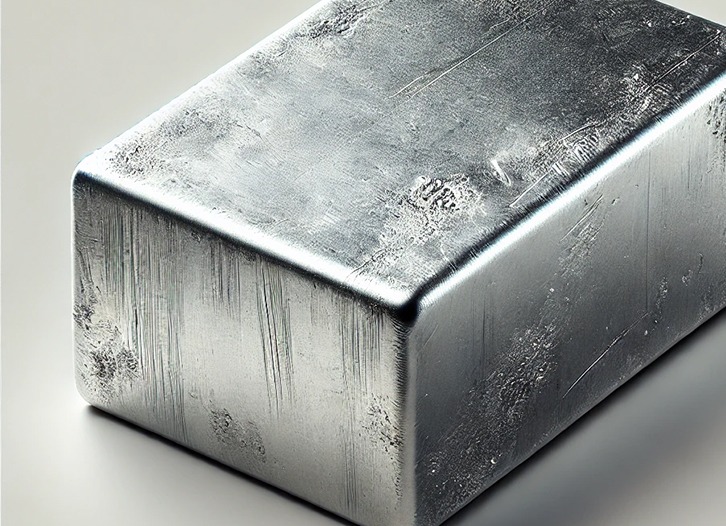
Zinc is a silvery-white metal known for its good workability, low melting point and good resistance to atmospheric corrosion (in air it forms a protective layer). It is a chemically active metal that reacts with acids and alkalis. Zinc melts at 419.5 °C and boils at 907 °C. The element is also found in living organisms, where it plays an important biological role.
Zinc (chemical symbol Zn) is widely used as an anti-corrosion material, especially to protect steel from rusting (galvanising). It is also used in household appliances (galvanised steel casings and parts), construction and various metal structures.
Historically, zinc compounds were used to make brass (an alloy of copper and zinc). Today zinc is used in batteries and accumulators, building materials (gutters, roofing), as well as in medicine, dietary supplements and fertilisers.
Sources:
https://periodic-table.rsc.org/element/30/zinc
https://en.wikipedia.org/wiki/Zinc
https://www.britannica.com/science/zinc