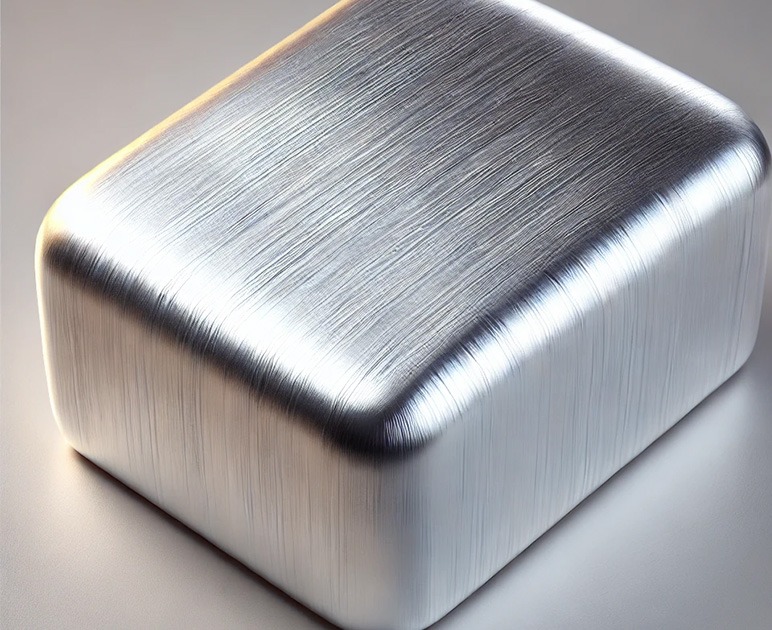
Indium (Lat. Indium) is one of the rarest metals: the Earth’s crust contains only about 0.05 ppm of it. Indium is a malleable, soft, ductile, corrosion-resistant and electrically conductive metal. The melting point of indium is 156.6 °C and its boiling point is 2072 °C.
Indium (chemical symbol In) is mainly used to make indium tin oxide (ITO) transparent electrodes – components of LCD screens. LCD screens are used in a wide range of electronic devices – modern computers, phones and televisions. LCD panels contain on average about 200 mg of indium per kilogram of panel (in a study by the Irish Environmental Protection Agency – from 38 to 292 mg/kg).
Indium is also an important component of solder (a material used for soldering) – the indium content of solders can range from a few per cent to almost 100 per cent. The unique physical and chemical properties of indium also allow it to be used in the manufacture of semiconductors (e.g. indium phosphide).
Sources:
https://periodic-table.rsc.org/element/49/indium
https://pubs.usgs.gov/periodicals/mcs2026/mcs2026-indium.pdf
https://www.epa.ie/publications/research/waste/research-201-investigation-of-liquid-crystal-displays-as-a-source-of-indium.php
https://www.indium.com/products/solders/solder-alloys/
https://www.britannica.com/science/indium