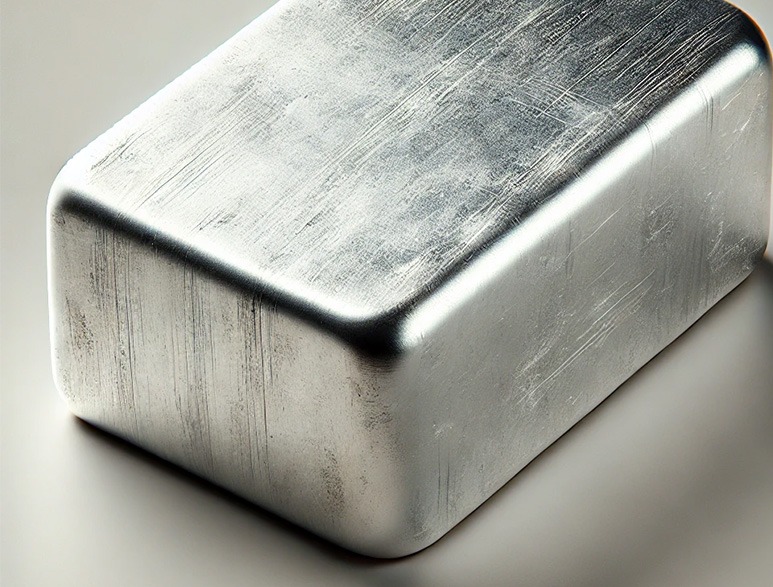
Nickel is a silvery-white, lustrous metal known for its hardness, corrosion resistance and magnetic properties. Although nickel is relatively easy to work, its melting point is 1455 °C and its boiling point is 2913 °C. Nickel is moderately abundant in nature and is found in sulphide and laterite ores. Small amounts of this element are also present in foods such as fruit, vegetables and nuts.
Nickel (chemical symbol Ni) is widely used in the production of metal alloys, especially stainless steel, which accounts for about two thirds of the world’s nickel output. As a result, it is found in building structures, vehicle parts (e.g. exhaust systems) and various household appliances. The most commonly used grades of stainless steel contain about 8–12% nickel (e.g. about 8% in grade 304 and about 11% in grade 316).
Apart from industrial uses, nickel is also used to make coins, and refined nickel is traded on metal exchanges as an industrial raw material.
Sources:
https://periodic-table.rsc.org/element/28/nickel
https://nickelinstitute.org/about-nickel/stainless-steel/
https://www.britannica.com/science/nickel-chemical-element