Top 6 Risks in the Metals Market: Fraud Schemes and How to Avoid Them
Working with large volumes of metal scrap sourced from clients across different regions of the world, we often hear about dishonest trading practices and counterfeit materials. Today, not only precious metals but also non-ferrous metals are being falsified.
To help you avoid potential losses, we invite you to take a few minutes to learn about some of the most common fraud schemes and how to identify them.
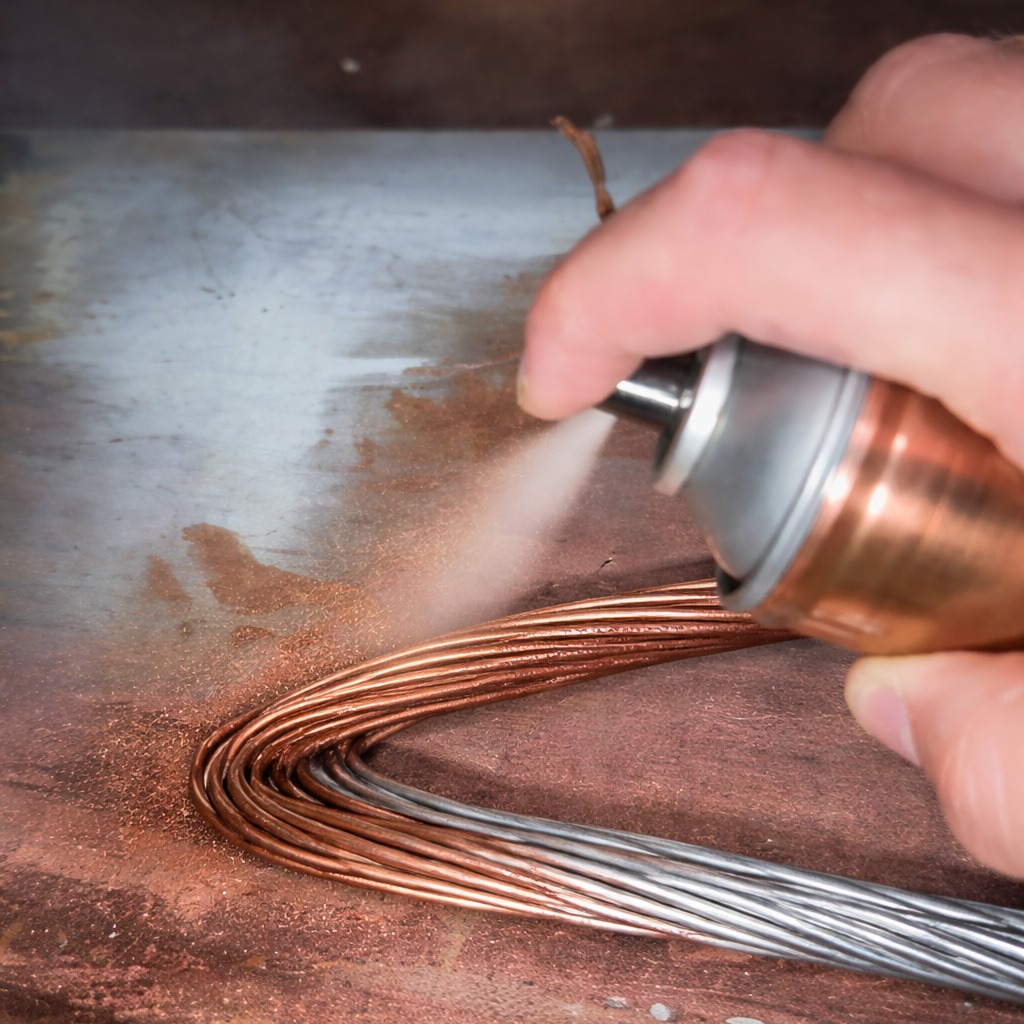
1. Aluminium or steel passed off as copper
Aluminium or steel may be painted in a copper colour or coated with a thin layer of copper, making it difficult to determine the true composition even when using XRF analysis.
How to check:
• Cut the cable and check whether there is any silver-coloured metal inside.
• Compare its weight with genuine copper. Aluminium, for example, is significantly lighter.
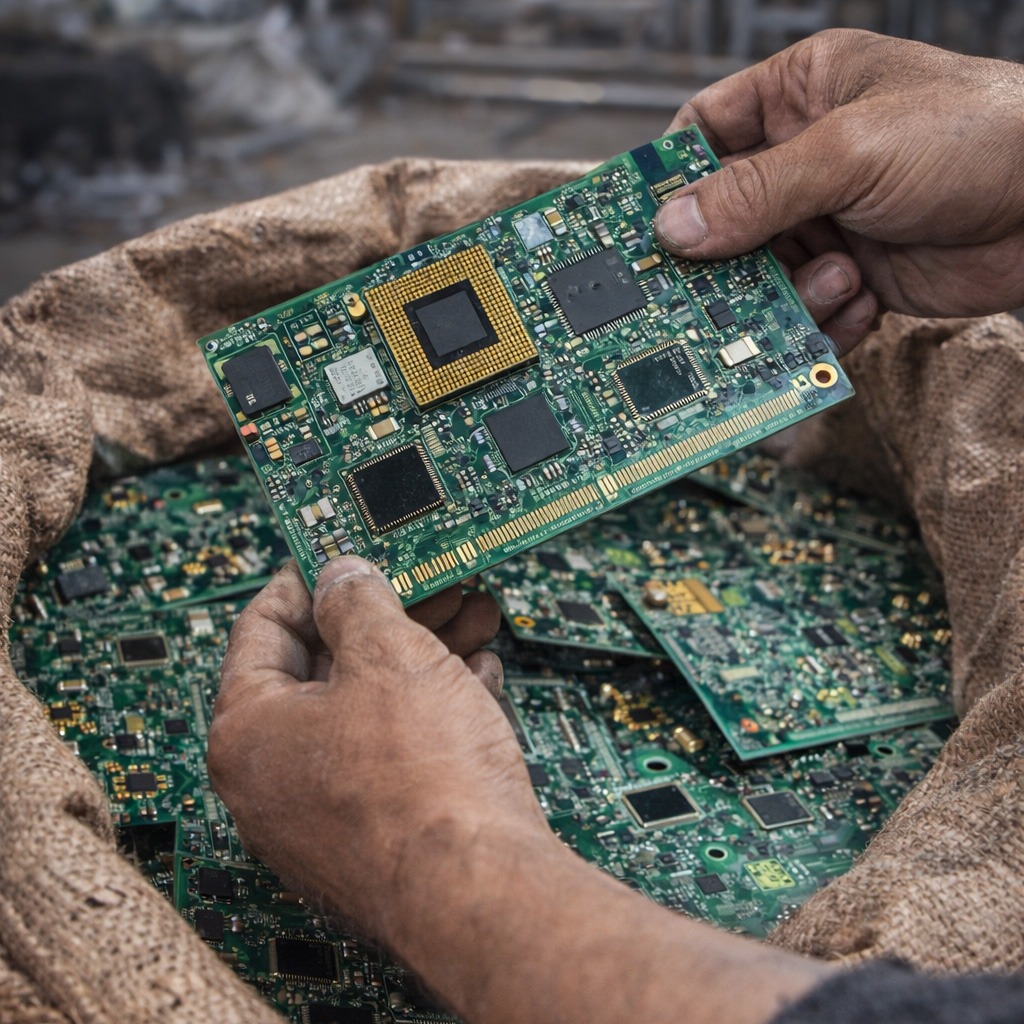
2. “Layering” of electronic circuit boards
Valuable, well-populated circuit boards may be placed at the top of a bag, while similar-looking but “empty” boards — stripped of microchips, processors and other valuable components — are hidden underneath.
How to check:
• Inspect and sort the entire batch.
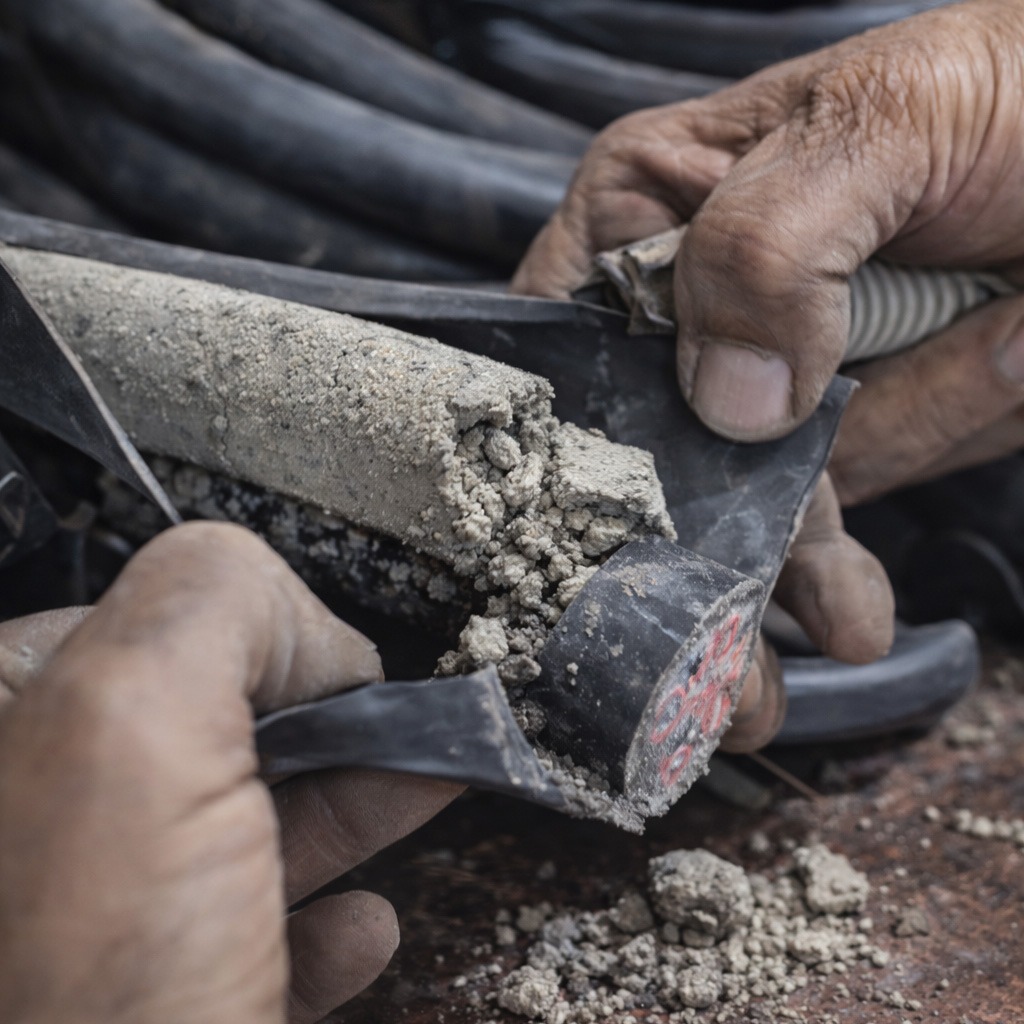
3. Cables with fillers inside the insulation
From the outside, the material may look like a standard copper cable with plastic insulation. However, additional materials, such as concrete or other fillers, may be concealed inside the insulation instead of copper. Copper may be left only at the ends of the cable to create the “right” impression during visual inspection.
How to check:
• Before purchasing, cut the cable in several places.
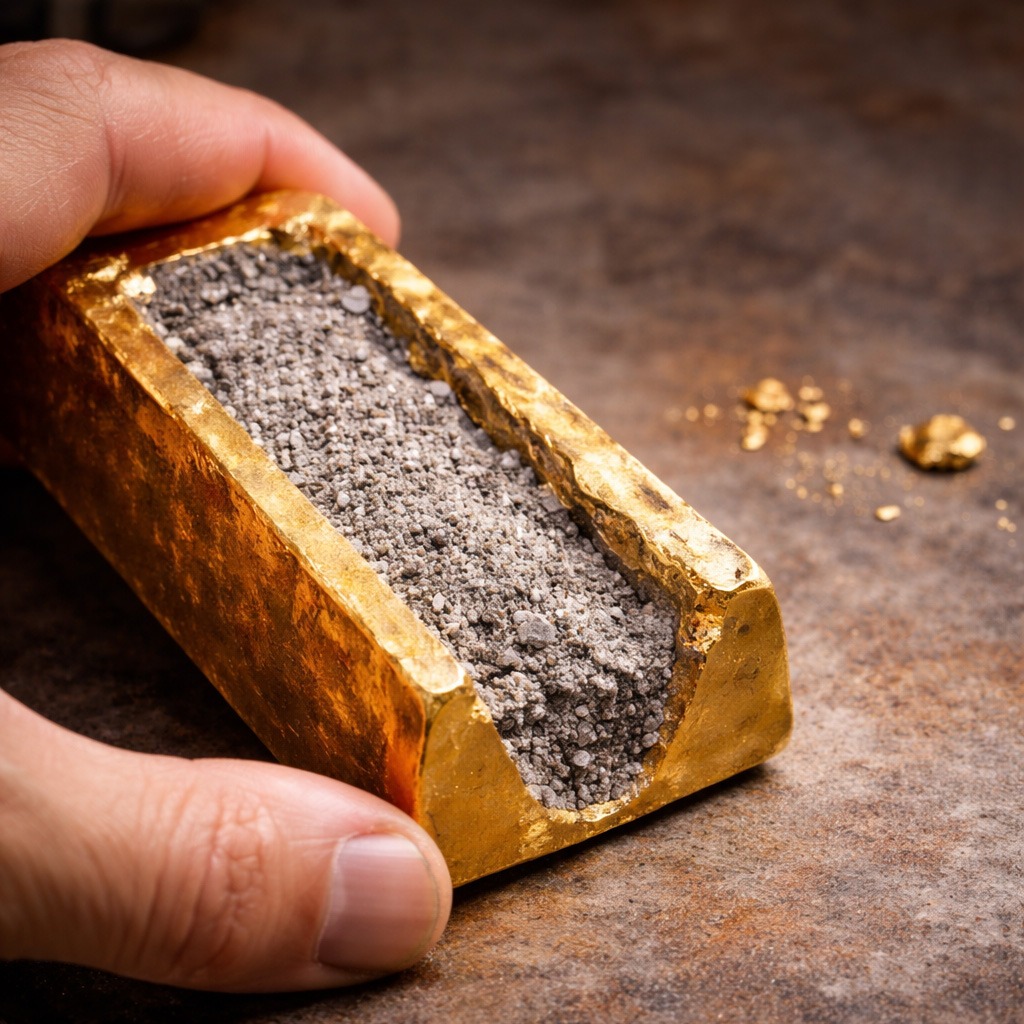
4. Precious metal alloys with hidden fillers
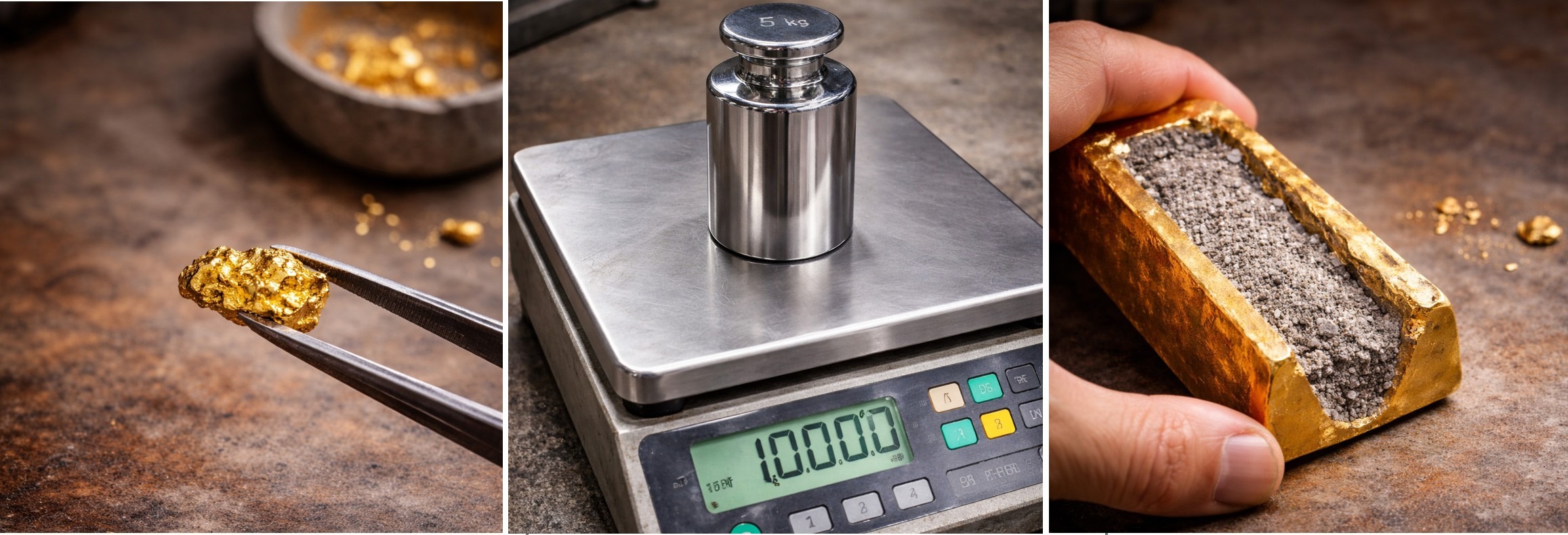
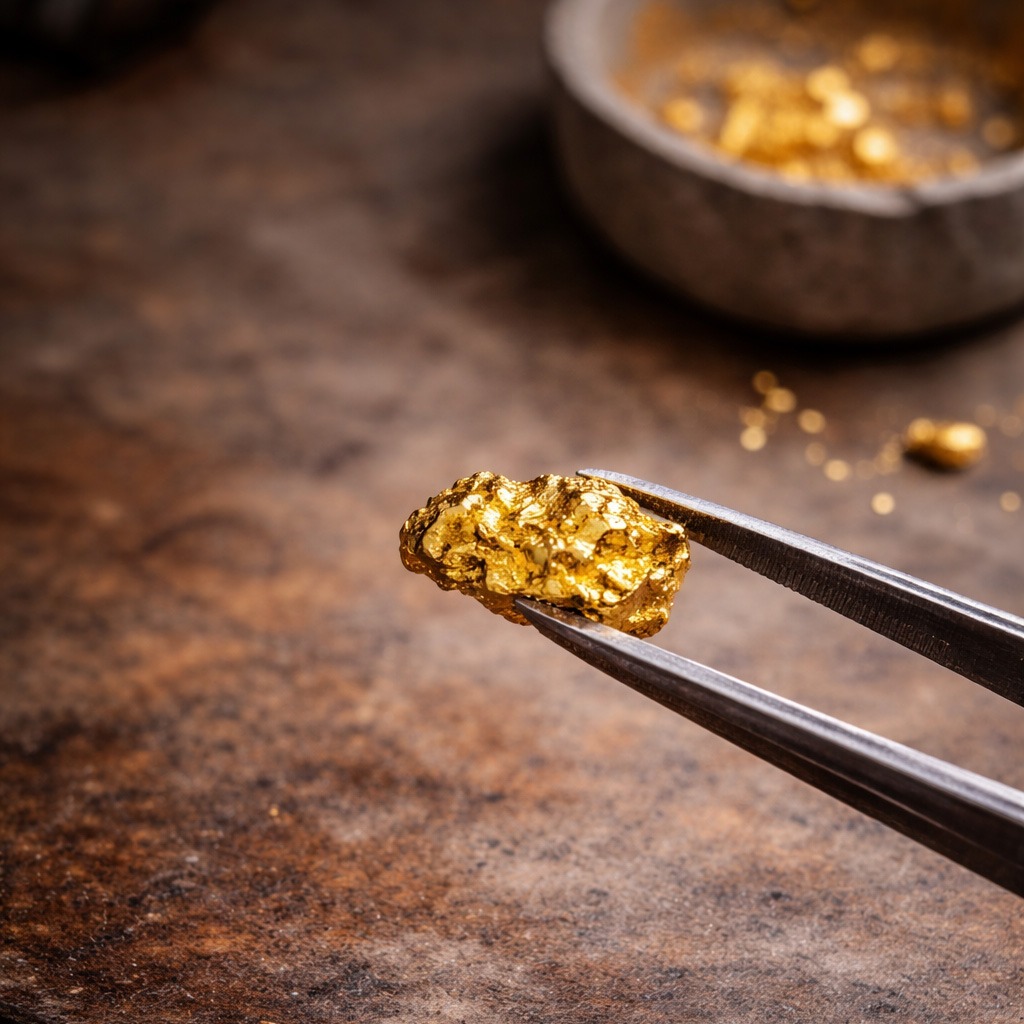
A gold alloy may look genuine on the outside, while tungsten — a metal with almost the same density as gold (19.25 g/cm³ vs 19.3 g/cm³ for gold) — may be concealed inside, so the weight of the fake hardly differs.
How to check:
• Visual inspection requires cutting the alloy open.
• Before settlement, the metal should be fully melted or refined.
5. Sample manipulation
A pure metal sample may be submitted for analysis even though it does not represent the composition of the entire batch. The batch itself may contain lower-grade metal with higher levels of less valuable impurities.
How to check:
• Take samples yourself from different parts of the batch.
6. Weighing manipulation
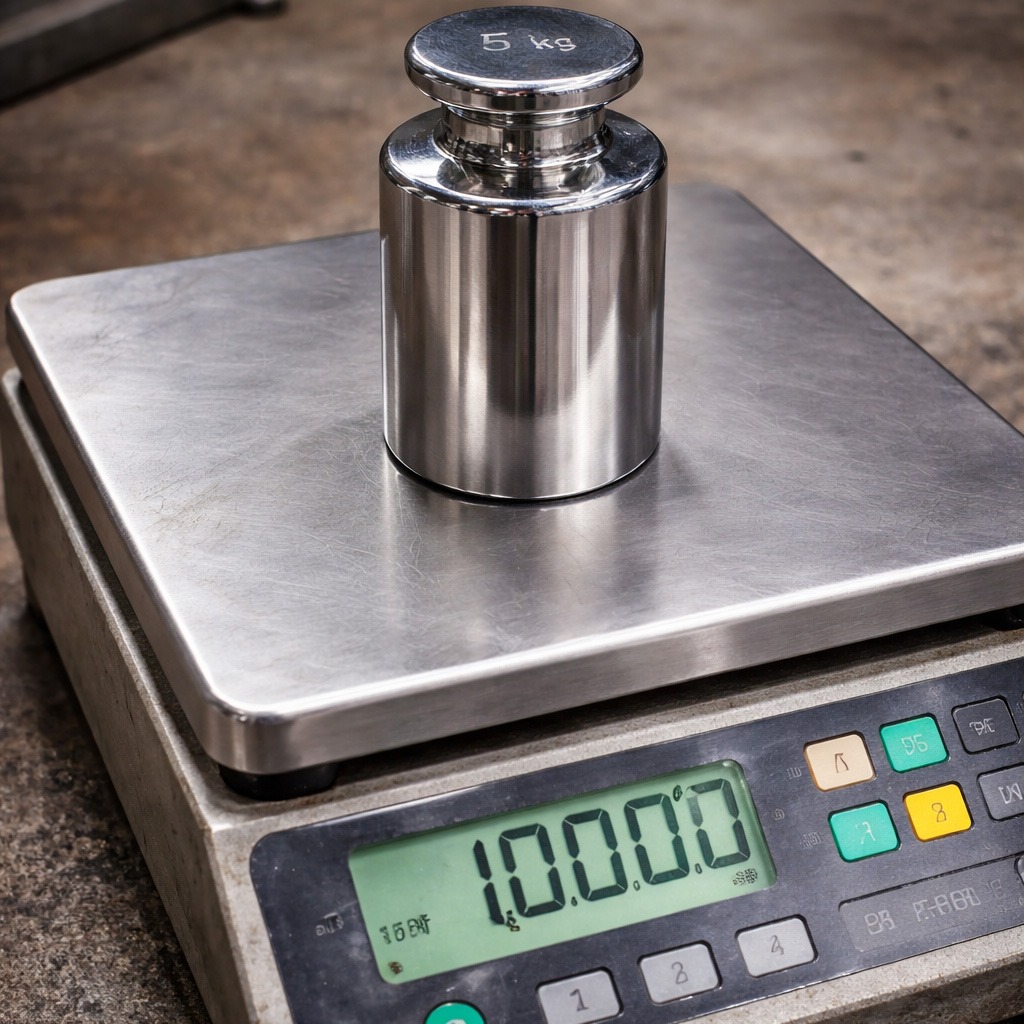
Sometimes the “magic” is not in the metal but in the scales, with incorrectly calibrated or deliberately adjusted scales being used.
How to protect yourself:
• Always be present during weighing.
• Use your own check weight.
• Request documentation confirming the calibration of the scales.
Key takeaways:
• Visual inspection alone is not enough — check the entire batch.
• Be cautious of offers that seem too good to be true.
• Use reliable measurement and analysis methods.
• Work only with trusted and verified partners.
Responsible verification before a transaction is not an extra step — it is a necessity.
If you have any questions or would like to verify the composition of a metal, please contact us.
Kind regards,
Your Team
SUBSCRIBE TO OUR NEWSLETTER and stay updated on metal prices and market insights!
By providing my email address, I confirm that I agree to receive newsletters and that my data will be processed for direct marketing purposes in accordance with NOVITERA’s privacy policy. I can unsubscribe at any time by clicking the link at the bottom of the newsletter.